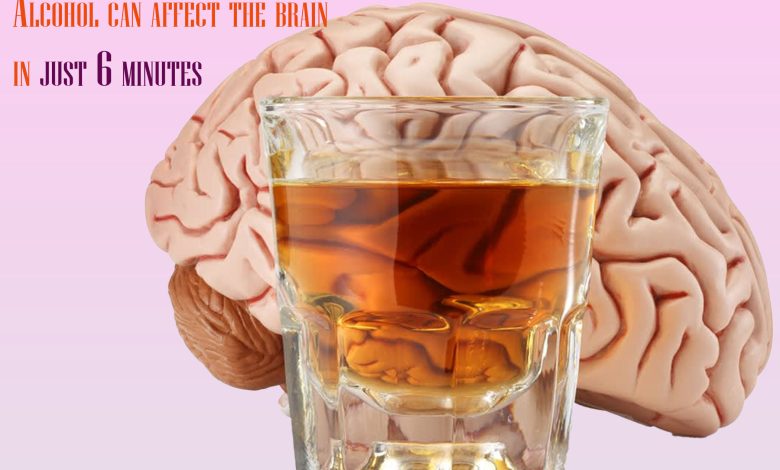
Alcohol, scientifically known as ethanol, is a psychoactive and toxic substance with intoxicating and dependence-producing properties. Globally, it is widely consumed and forms the basis of a diverse range of alcoholic beverages, from beers and wines to spirits like brandy, tequila, gin, and vodka, often used to mark celebrations and social gatherings while appealing to varied palates.
People consume alcohol for a multitude of social, psychological, and physiological reasons, such as seeking relaxation, enhancing enjoyment, fostering social connections, alleviating stress, or as a maladaptive coping strategy for mental health difficulties. Despite some medically recognized benefits, the abuse and excessive consumption of alcohol raise significant concerns regarding its detrimental effects on the brain. Notably, medical evidence indicates that alcohol can begin to influence brain activity as quickly as six minutes after consumption.
This relatively short timeframe belies a complex cascade of biochemical events that ripple through the brain, leading to the familiar sensations and alterations in behavior associated with alcohol consumption.

Fast Absorption and Entry into the Brain
Alcohol, or ethanol, follows a remarkably direct route into your system.
- Rapid Absorption: Unlike many other substances that require extensive digestion, alcohol is readily absorbed into the bloodstream, primarily through the lining of the small intestine. This process can begin within minutes of consumption, especially if the stomach is empty. The higher the alcohol concentration and the faster you drink, the quicker this absorption occurs.
- Crossing the Blood-Brain Barrier: The bloodstream swiftly carries the absorbed alcohol throughout the body, including to the brain. The brain is protected by a highly selective barrier known as the blood-brain barrier, which restricts the passage of many substances. However, alcohol’s small molecular size and its ability to dissolve in both water and fats allow it to readily cross this protective barrier. This rapid entry into the brain is the first crucial step in its swift action.
Alcohol’s Interaction with Neurotransmitters
Once inside the brain, alcohol doesn’t target specific receptors like some other drugs. Instead, it broadly interacts with several key neurotransmitter systems, the chemical messengers that facilitate communication between brain cells (neurons). These interactions are the foundation of alcohol’s psychoactive effects.
-
The GABAergic System That Enhances Inhibition
Gamma-aminobutyric acid (GABA) is the brain’s primary inhibitory neurotransmitter, responsible for slowing down nerve activity and promoting a sense of calm. Alcohol acts as a GABAergic agonist, meaning it enhances the effects of GABA. It binds to GABA receptors, making them more effective at inhibiting neuronal firing. This widespread increase in inhibitory signaling leads to:
– Reduced Anxiety: The calming effect of GABA is amplified, contributing to feelings of relaxation and reduced social inhibitions.
-
The Glutamatergic System Responsible For Dampening Excitation
Glutamate is the brain’s primary excitatory neurotransmitter, crucial for learning, memory, and overall brain activity. Alcohol acts as a glutamate antagonist, meaning it blocks or reduces the effectiveness of glutamate at certain types of receptors, particularly NMDA receptors. This suppression of excitatory signaling results in:
– Cognitive Impairment: Disruption of glutamate signaling interferes with learning and memory formation, leading to difficulty concentrating and impaired judgment.
-
Action Of Dopamine and Serotonin In Mood Regulation
Alcohol also influences other neurotransmitter systems involved in pleasure and mood regulation.
– Dopamine Release: Alcohol can trigger the release of dopamine in the brain’s reward pathways, creating feelings of pleasure and reinforcement that can contribute to the development of alcohol use disorder. This initial dopamine surge can occur relatively quickly, contributing to the initial positive feelings associated with drinking.
– Serotonin Levels: Alcohol’s interaction with the serotonin system, which plays a crucial role in mood regulation, can contribute to the emotional lability and potential for both euphoria and dysphoria associated with alcohol consumption. The effects on serotonin might unfold slightly later than the initial GABA and glutamate interactions but contribute to the overall alteration in emotional state.
The Immediate Impact Of Alcohol
Within those critical first six minutes, even before you might consciously feel “drunk,” subtle but significant changes are occurring in your brain:
- Altered Sensory Perception: The initial shifts in neurotransmitter balance can subtly alter how you perceive the world around you, potentially affecting vision, hearing, and taste.
- Mild Disinhibition: The early enhancement of GABAergic activity can lead to a slight loosening of social inhibitions, making you feel more talkative or outgoing.
- Subtle Motor Impairment: Even before noticeable clumsiness sets in, fine motor skills and reaction times can begin to be affected.
- Initial Mood Alteration: The early release of dopamine can contribute to a fleeting sense of well-being or pleasure.
Implications of Rapid Neurological Effects After Taking Alcohol
The speed at which alcohol impacts the brain has significant implications:
- Impaired Decision-Making: The rapid disruption of glutamate signaling can compromise judgment and increase impulsivity even after a small amount of alcohol.
- Increased Risk of Accidents: The swift impairment of motor skills and reaction time elevates the risk of accidents, particularly when engaging in activities like driving.
- Vulnerability of the Developing Brain: The adolescent brain is particularly susceptible to the disruptive effects of alcohol due to its ongoing development. These rapid neurochemical alterations can have more profound and lasting consequences in younger individuals.
- Reinforcement and Addiction: The quick activation of the brain’s reward system contributes to the reinforcing properties of alcohol, potentially increasing the likelihood of repeated use and the development of dependence.
Conclusion
The implications of this rapid neurological impact underscore the importance of responsible alcohol consumption and the potential for even small amounts of alcohol to impair cognitive and motor functions. Activities that require focus, coordination, and quick decision-making, such as driving or operating machinery, can be compromised surprisingly quickly after even a small drink.
Furthermore, this rapid action highlights the vulnerability of the developing adolescent brain to alcohol’s effects. The brain continues to mature well into the twenties, and early exposure to alcohol can disrupt these critical developmental processes. The swift and potent neurochemical alterations caused by alcohol can have more lasting and detrimental consequences in a brain that is still forming its intricate connections.
The fact that it takes only six minutes for alcohol to affect the brain is a reflection of the rapid absorption of ethanol and its swift interaction with key neurotransmitter systems. This cascade of neurochemical events, primarily involving the potentiation of inhibition through GABA and the suppression of excitation through glutamate, leads to a spectrum of immediate effects on our cognitive, motor, and emotional functions.
Other Facts To Explore
Diet & Lifestyle Advice For People with Blood Group AB
Don’t Wait To Be Thirsty Before You Drink Water, This Will Happen To You
Wearing A Tie Can Reduce Blood Flow To The Brain & This Is Why


