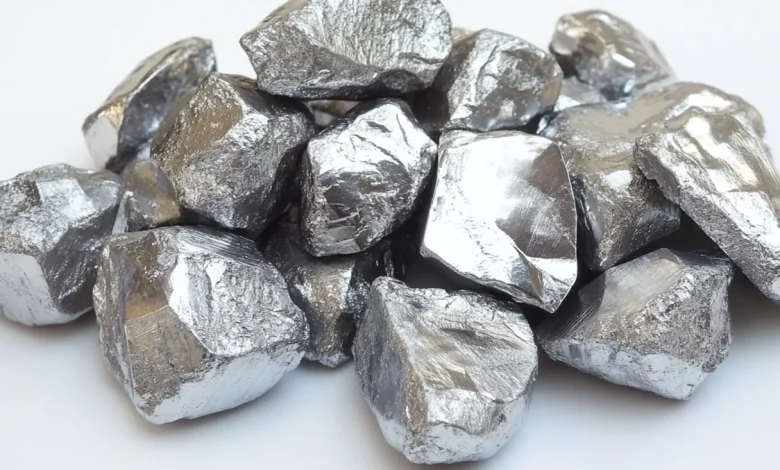
Nickel deposits with potential for mining have been identified in the Oti Region of Ghana, a significant development that could enhance the country’s mineral portfolio and draw investment into battery metal supply chains. This discovery occurred during ongoing iron ore exploration in the Gyamurume range, conducted by the Ghana Integrated Iron and Steel Development Corporation (GIISDEC) and the Ghana Geological Survey Authority (GGSA).
Initial drill samples suggest nickel concentrations surpassing one percent, a level deemed commercially viable. While certified laboratory results are still awaited, officials express optimism about the preliminary findings. “We have discovered substantial iron ore, but we want to avoid a scenario where an investor focuses on iron ore only to unexpectedly gain access to nickel as well,” stated GIISDEC Chief Executive Officer William Okofu Darteh.
“We aim to have a complete understanding of the minerals present, including their quantities and quality, before making any decisions,” he added. To achieve this, GIISDEC has engaged consultants to perform a thorough mineral content analysis, expected to be finalized by September 2025, which will assess the grade, volume, and distribution of both iron and nickel at the site.
Nickel Present In All 8 Drill Holes
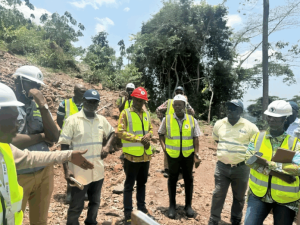
The GGSA has confirmed the presence of nickel in all eight drill holes completed to date. “The concentrations detected fall within the economic range, with some exceeding one percent, making them mineable for nickel,” noted David Yaw Kuma, a senior geoscientist at the GGSA. Initial testing was conducted using handheld scanners, but results from certified commercial laboratories are anticipated to deliver more accurate measurements.
Nickel is a crucial element in lithium-ion batteries, and its demand has surged in recent years due to the global shift toward renewable energy. Ghana’s potential entry into the nickel market aligns with its broader strategy to establish itself as a key supplier of critical minerals.
The country is also developing the Ewoyaa Lithium Project in the Central Region, projected to produce around 365,000 tonnes of spodumene concentrate annually. These projects signal Ghana’s growing ambition in battery metals, traditionally dominated by countries like Indonesia, the Philippines, and Australia. Despite the optimism, GIISDEC and GGSA emphasize that it is too early to draw firm conclusions.
“We are not jumping to conclusions. We need the lab results. Once we get that, we will know what steps to take,” Mr. Darteh noted. “We have something worth looking at, but let’s wait for the proper data. That’s how you build a strong mining sector—by relying on science and facts, not just speculation,” Mr. Kuma added.
If commercial viability is confirmed, the nickel discovery is expected to boost investor interest in the Oti Region and contribute to Ghana’s longer-term plans to expand and modernize its mining sector. GIISDEC says transparency will be key in investor engagement.
Related Story
Iron Ore Discovered In Oti Region, Potentially Best In West Africa


