
Everyone wants radiant skin, but achieving it can feel complicated. The sheer volume of products, treatments, and tips is overwhelming. Yet, truly healthy and glowing skin isn’t just about beauty; it reflects your inner health. This article cuts through the noise, revealing the essential factors for vibrant skin and providing expert advice to help you unlock your best complexion.
What is the Skin?
The skin is more than just a surface; it’s your body’s largest organ! Made of water, protein, fats, and minerals, it acts as a protective shield against germs and helps regulate your body temperature. Plus, nerves within the skin allow you to feel sensations like hot and cold.
Together with your hair, nails, oil glands, and sweat glands, your skin forms the integumentary system – essentially, your body’s outer covering.
The Layers of Skin
Your skin is composed of three distinct layers
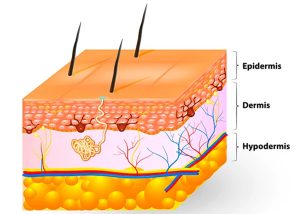
• Epidermis: The outermost layer, visible and touchable.
• Dermis: The middle layer, lying beneath the epidermis.
• Hypodermis: The deepest, fatty layer.
The Epidermis: Your First Line of Defense
The epidermis, the layer you see and feel, is a powerhouse of protection. It’s packed with keratin, a tough protein, and performs several crucial functions:
• Protective Barrier: It prevents bacteria and germs from entering your body and causing infections, while also guarding against the elements like rain and sun.
• Skin Renewal: The epidermis constantly produces new skin cells, replacing the roughly 40,000 old cells you shed daily. In fact, you get a completely new layer of skin approximately every 30 days!
• Immune Defense: Specialized cells called Langerhans cells reside in the epidermis, acting as part of your immune system to fight off germs and infections.
• Skin Color: The epidermis contains melanin, the pigment that determines the color of your skin, hair, and eyes. The more melanin you have, the darker your complexion and the easier you may tan.
The Dermis: The Skin’s Workhorse
The dermis makes up a whopping 90% of your skin’s thickness! This middle layer is packed with essential components that keep your skin healthy and functional:
• Collagen and Elastin: The dermis contains collagen, a protein providing strength and resilience, and elastin, which keeps your skin flexible and helps it bounce back after stretching.
• Hair Growth: The roots of your hair follicles are anchored within the dermis.
• Sensory Input: Nerves in the dermis act as your body’s touch sensors, alerting you to temperature changes (too hot!), itchiness, softness, and even pain.
• Oil Production: Oil glands within the dermis secrete oil, keeping your skin soft, smooth, and preventing it from absorbing too much water.
• Sweat Production: Sweat glands in the dermis release sweat through pores, helping regulate your body temperature.
• Nutrient Supply: Blood vessels in the dermis deliver vital nutrients to the epidermis, keeping all skin layers healthy and nourished.
The Hypodermis: Support and Insulation
The hypodermis, or bottom layer of skin, is a fatty layer that plays a crucial role in support and insulation:
• Cushioning: Fat in the hypodermis acts as a cushion, protecting your muscles and bones from impact during falls or accidents.
• Connective Tissue: This tissue anchors the skin layers to underlying muscles and bones.
• Nerve and Blood Vessel Network: Nerves and blood vessels from the dermis expand into the hypodermis, branching out to connect the skin to the rest of the body.
• Temperature Regulation: The fat in the hypodermis helps maintain a stable body temperature, preventing you from getting too hot or too cold.
More About What’s Inside Your Skin
Did you know that just one square inch of your skin contains approximately 19 million skin cells, 60,000 pigment-producing melanocytes, 1,000 nerve endings, and 20 blood vessels? It’s a complex and active organ!
Understanding Your Skin Type: The Foundation of Healthy Skin
Knowing your skin type is crucial for effective skincare. The five main types are:
• Normal Skin: Well-balanced with good moisture and oil levels.
• Dry Skin: Lacks moisture and can appear rough or flaky.
• Oily Skin: Produces excess oil and is prone to breakouts.
• Combination Skin: Features both oily and dry areas on the face.
• Sensitive Skin: Easily irritated and reacts to products or environmental factors.
Identifying your skin type empowers you to choose the right products and create a personalized skincare routine to address your specific needs and concerns.
Unlock Your Radiant Skin: Secrets to a Healthy Glow
Achieving glowing skin is a holistic journey that combines smart skincare, a healthy lifestyle, and proper hydration. Here are some effective tips to get you started:
• Hydrate from Within: Water is essential for plump, healthy skin. Aim for at least eight glasses a day.
• Sun Protection is Non-Negotiable: UV rays are a major cause of premature aging and skin damage. Use a broad-spectrum SPF 30+ sunscreen daily, reapplying every two hours, especially after swimming or sweating.
• Exfoliate Regularly for Renewal: Gently remove dead skin cells to unclog pores and improve texture. Use a gentle scrub or a chemical exfoliant (AHAs/BHAs) 1-3 times per week.
• Prioritize Sleep for Repair: Aim for 7-9 hours of sleep nightly to allow your skin to regenerate.
• Nourish Your Skin with a Balanced Diet: Eat plenty of fruits, vegetables, whole grains, and lean proteins. Antioxidant-rich foods like berries and leafy greens fight free radicals.
• Manage Stress for a Clearer Complexion: High stress can trigger skin issues. Practice stress-reducing techniques like meditation or yoga.
• Choose Gentle Skincare: Avoid harsh ingredients that strip your skin’s natural oils. Opt for gentle, fragrance-free products designed for your skin type.
• Boost Circulation with Exercise: Regular physical activity improves circulation, enhancing your skin’s glow.
• Quit Smoking for Long-Term Skin Health: Smoking damages skin, causing premature aging and wrinkles.
• Get Your Vitamins and Minerals: Vitamins C & E, zinc, and omega-3s are vital. Consider supplements or topical products containing these nutrients.
• Avoid Harsh Chemicals: Steer clear of parabens, sulfates, and artificial fragrances, which can irritate and damage the skin.

Common Skin Issues: What to Watch For
Your skin, as your body’s largest organ and first line of defense, is susceptible to various conditions. Here’s a brief overview of common skin concerns:
• Allergies: Contact dermatitis and poison ivy rashes.
• Blisters: Fluid-filled pockets caused by friction, burns, or medical conditions.
• Bug Bites: Reactions to insect bites (spider, tick, mosquito).
• Skin Cancer: Including melanoma, basal cell carcinoma, and squamous cell carcinoma.
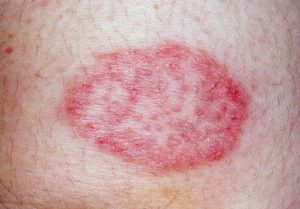
• Skin Infections: Cellulitis and other bacterial, viral, or fungal infections.
• Skin Rashes and Dry Skin: Caused by various factors, including allergies, irritants, and underlying conditions.
• Skin Disorders: Acne, eczema, psoriasis, vitiligo.
• Skin Lesions: Moles, freckles, skin tags.
• Wounds, Burns, and Scars: Resulting from injuries or surgical procedures.
• Hyperpigmentation: Dark spots caused by sun exposure, aging, or hormonal changes.
• Psoriasis: An autoimmune condition causing rapid skin cell growth.
• Aging: Wrinkles, fine lines, and loss of elasticity.
In Conclusion: Your Path to Radiant Skin
Achieving healthy, glowing skin takes time, dedication, and the right approach. By understanding your skin type, protecting it from the sun, adopting a healthy lifestyle, and being consistent with your skincare routine, you can unlock your skin’s full potential. Remember to be gentle and seek professional advice from a dermatologist for persistent concerns.


Good to know
Very Educative
Very Educative