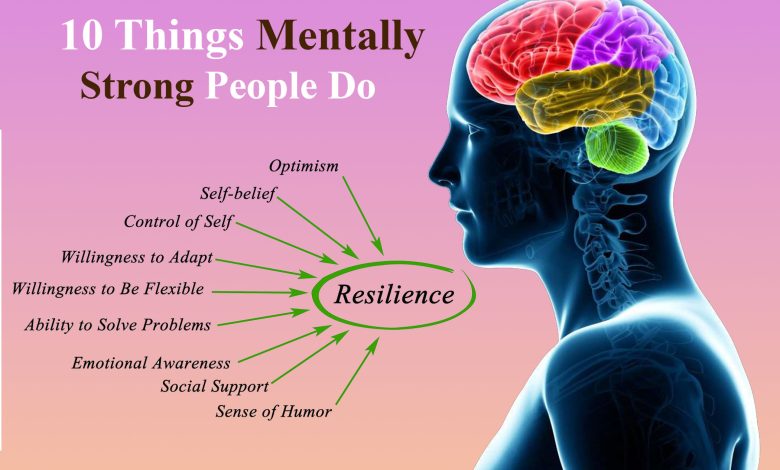
We often admire physical strength, the ability to lift heavy objects or endure rigorous physical challenges. But there exists another form of strength, often unseen and underestimated, that shapes our resilience, our ability to navigate life’s inevitable storms: mental strength. Unlike a bulging bicep, mental fortitude isn’t always outwardly visible. It’s encompassed in our thoughts, our behaviors, and our reactions to the world around us. So, how do you know if you possess this crucial inner power? The signs of mental strength are found in the way you approach challenges, manage your emotions, and interact with adversity.
1. Possess A High Sense Of Self-Awareness
Mentally strong people possess a keen intuition, allowing them to navigate their inner world with clarity and understanding. The idea of self-awareness for a mentally strong individual spans from knowing their self, recognizing their emotions, identifying their strengths and weaknesses, accepting them, and leveraging them. Mentally strong people accept themselves for who they are and move on.
-
Recognizing Their Emotions: To a mentally strong individual, recognizing their emotions goes beyond simply knowing you feel “bad” or “good.” Mentally strong individuals can identify the specific emotion they are experiencing– is it frustration, disappointment, anxiety, or joy? They understand the nuances of these feelings and often can trace them back to their triggers. This awareness allows them to process emotions constructively rather than being overwhelmed by them.
-
Identify Strengths and Weaknesses: Mentally strong individuals have a realistic assessment of their capabilities. They understand what they excel at and aren’t afraid to acknowledge their limitations. This self-acceptance allows them to leverage their strengths effectively and seek support or develop strategies to compensate for their weaknesses. They don’t strive for unattainable perfection but focus on maximizing their potential within their realistic understanding of themselves.
-
Set boundaries:
Self-awareness extends to understanding your own capacity and limits – what drains you, what you can realistically handle, and what compromises your well-being. Mentally strong individuals are adept at setting clear and firm boundaries with others, whether it’s regarding their time, energy, or emotional space. This isn’t about being selfish; it’s about protecting their mental and emotional resources to maintain their strength and effectiveness in the long run.
One of the most significant indicators of mental strength is the ability to manage your emotions effectively. This doesn’t mean suppressing or ignoring your feelings, but rather acknowledging them without letting them dictate your actions. Mentally strong individuals can experience anger, sadness, or frustration without spiraling into negativity or making impulsive decisions driven by those emotions. They possess a sense of emotional regulation, allowing them to process feelings in a healthy way and respond thoughtfully rather than reactively.
You might recognize this in yourself if you can acknowledge a setback without succumbing to prolonged despair, or if you can feel anger without lashing out at others. Mentally strong people posses strong emotional regulation tactics including balancing their thoughts and feelings, understanding and respecting others’ emotions and strong self-control, enhancing them to regulate their impulses peacefully. They also do not hold on to past grudges.
3. Maintain Healthy Relationships
Mentally strong individuals understand the vital role that positive connections play in their overall well-being. As a result, they thrive to maintain healthy interpersonal relationship or friendships wherever they find themselves. To enhance this, they;
-
Set realistic expectations & communicate needs: Healthy relationships thrive on clear communication and realistic expectations. Mentally strong individuals don’t assume others can read their minds. They articulate their needs, desires, and limitations in a respectful and assertive manner. This prevents misunderstandings, resentment, and ultimately strengthens the foundation of their relationships.
-
Set and maintain healthy limits: As touched upon in self-awareness, boundary setting is crucial in relationships. Mentally strong individuals maintain these limits within their interactions, protecting themselves from toxic behaviors, excessive demands, or emotional dumping. They understand that healthy relationships are reciprocal and respectful of individual needs and limits.
-
Value Support network: Mentally strong individuals actively cultivate and nurture relationships with people who are supportive, positive, and understanding. They recognize the value of having a network of individuals they can rely on for emotional support, encouragement, and different perspectives during challenging times. They invest time and energy in these relationships, understanding that they are a vital source of strength.
4. Resilient Response To Failure
Another hallmark of mental strength is a resilient response to failure. Everyone experiences setbacks and disappointments. The mentally strong, however, don’t view failure as a definitive end but rather as a learning opportunity. They can analyze what went wrong, extract valuable lessons, and use that knowledge to inform future attempts. Instead of being paralyzed by self-doubt or blame, they pick themselves up, dust themselves off, and try again, often with renewed determination. If you find yourself able to bounce back from mistakes, viewing them as stepping stones rather than roadblocks, you likely possess a significant degree of mental toughness. They possess coping skills that allow them to manage stress, anxiety, and adversity.
5. Exhibit Adaptability & Flexibility
Adaptability and flexibility are also key components of mental strength. Life rarely unfolds exactly as planned. Unexpected changes, unforeseen obstacles, and uncomfortable transitions are inevitable. Mentally strong individuals can navigate these uncertainties with grace and resilience. They aren’t rigidly attached to a particular outcome or way of doing things. Instead, they can adjust their plans, embrace new circumstances, and find creative solutions when faced with the unexpected. If you find yourself able to pivot when things don’t go your way, and can see opportunities even in challenging situations, this is a strong indicator of your mental fortitude.
Furthermore, mentally strong people exhibit a proactive approach to challenges. They don’t wait for problems to overwhelm them; instead, they identify potential issues and take steps to mitigate them. They possess a sense of agency, believing in their ability to influence outcomes and take responsibility for their lives. This proactive stance often involves critical thinking, setting realistic goals, developing strategies, and confidently taking consistent action or decisions, even in the face of discomfort or uncertainty. If you find yourself taking initiative and tackling difficulties head-on rather than avoiding them, you are demonstrating mental strength.
Maintaining a realistic yet optimistic outlook is another characteristic of the mentally strong. This isn’t about blind positivity or ignoring potential risks. Instead, it’s about acknowledging challenges while maintaining a belief in your ability to overcome them. Mentally strong individuals can see possibilities even in difficult situations and maintain hope for a positive future. This balanced perspective fuels their resilience and helps them persevere through tough times. They focus on solutions, not problems, appreciate life’s blessings, and believe in a brighter future. If you generally approach life with a sense of hope and the belief that you can navigate difficulties, even when things are tough, you are likely mentally strong.
Mentally strong people understand that personal growth is an ongoing process and are willing to examine their own thoughts, beliefs, and behaviors. They seek feedback, learn from their experiences (both positive and negative), and are open to evolving and improving themselves. This commitment to self-awareness and growth strengthens their resilience and equips them to navigate future challenges more effectively. If you regularly reflect on your experiences and actively seek ways to learn and grow, you are demonstrating a powerful aspect of mental strength.