Here in Ghana, where the tropical climate often brings with it intense heat and humidity, staying hydrated isn’t just a good idea – it’s essential for well-being. Yet, a fascinating and somewhat alarming aspect of our physiology is how subtly dehydration can creep up on us. Scientific research reveals that our body’s fluid levels can actually decrease by a significant 2-3% of our total body weight before the conscious sensation of thirst even kicks in. This “silent dehydration” has profound implications for our physical and cognitive functions, making it crucial to understand why and how this happens, and what we can do to stay adequately hydrated.
Why Fluid & Water Levels Matter So Much
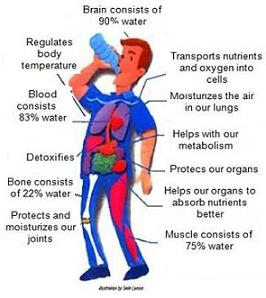
Water constitutes a significant portion of our body weight, typically ranging from 50% to 70% depending on factors like age, sex, and body composition. This water isn’t just inert filler; it’s the medium in which countless vital bodily processes occur. From transporting nutrients and oxygen to cells and removing waste products, to regulating body temperature through sweating, lubricating joints, and facilitating nerve function, water is indispensable.
Maintaining this delicate fluid balance is a complex and tightly regulated process orchestrated by various physiological mechanisms. Our kidneys play a central role, adjusting urine output based on fluid intake and loss. Hormones like antidiuretic hormone (ADH), also known as vasopressin, are released by the brain to signal the kidneys to conserve water when the body’s fluid levels drop.
The Thirst Mechanism & Late Alarm System
Given the critical role of water, it might seem counterintuitive that the sensation of thirst doesn’t arise until a considerable amount of fluid has already been lost. The feeling of thirst is a complex interplay of signals originating from various parts of the body, primarily the hypothalamus in the brain.
Several factors contribute to the triggering of thirst:
- Increased Blood Osmolality: As we lose fluids, the concentration of dissolved particles (like sodium) in our blood increases. These specialized cells in the hypothalamus, called osmoreceptors, detect this increase in osmolality and send signals that lead to the conscious feeling of thirst.
- Decreased Blood Volume: A significant drop in fluid volume leads to a decrease in blood pressure. Baroreceptors, pressure-sensitive receptors located in major blood vessels, detect this change and relay signals to the brain, contributing to the sensation of thirst.
- Dry Mouth and Throat: While seemingly a direct indicator of dehydration, the feeling of a dry mouth and throat is often a consequence of reduced saliva production, which in turn can be triggered by the aforementioned hormonal and osmotic changes. However, this sensation can also be influenced by other factors unrelated to overall hydration levels.
The crucial point is that these physiological changes need to reach a certain threshold before the brain registers the sensation of thirst. A 2-3% reduction in body weight represents a significant loss of fluid volume before these triggers become strong enough to elicit a conscious desire to drink.
Why A Delayed Thirst Mechanism?
Why would our bodies operate with a thirst mechanism that seems to lag behind actual fluid loss? Several evolutionary and practical reasons might explain this:
- Survival in the Wild: In ancestral environments, constant access to fresh water wasn’t guaranteed. Relying on thirst as the initial indicator of the need for fluids might have been disadvantageous. The body likely developed mechanisms to conserve water efficiently and only triggered the strong urge to drink when the deficit became more substantial, prompting active water-seeking behavior.
- Preventing Overhydration: Conversely, a highly sensitive thirst mechanism could lead to excessive water intake, which can also be detrimental to the body’s electrolyte balance. A slightly delayed response might help prevent overhydration in situations where water is readily available.
- Focus on Other Priorities: In situations demanding immediate attention, such as hunting or escaping danger, a constant nagging feeling of mild dehydration-related thirst could be distracting. A threshold-based system allows the body to prioritize immediate survival needs over preemptive hydration.
The Body’s Compensatory Mechanisms In Water Loss
Even before we feel thirsty, our bodies employ various mechanisms to cope with the initial stages of fluid loss:
- Water Conservation: The kidneys begin to conserve water by producing more concentrated urine. This is largely driven by the release of ADH.
- Fluid Shifts: Water can shift from the intracellular fluid (within cells) to the extracellular fluid (outside cells, including blood plasma) to help maintain blood volume and pressure in the short term.
- Increased Heart Rate: To compensate for reduced blood volume, the heart may beat faster to maintain adequate circulation.
However, these compensatory mechanisms have their limits. As dehydration progresses beyond the 2-3% mark, the effects become more noticeable and detrimental.
Consequences of Silent Dehydration
Even mild, unnoticed dehydration can have significant consequences for our well-being:
- Reduced Physical Performance: Dehydration can lead to decreased endurance, increased fatigue, and impaired muscle function. This is particularly relevant for individuals engaging in physical activity, especially in hot and humid climates like ours in Ghana.
- Impaired Cognitive Function: Studies have shown that even mild dehydration can negatively impact concentration, memory, and reaction time. This can affect productivity at work or school and even increase the risk of accidents.
- Headaches and Dizziness: Dehydration can trigger headaches and feelings of lightheadedness or dizziness due to reduced blood volume and pressure.
- Digestive Issues: Adequate hydration is crucial for proper digestion. Dehydration can contribute to constipation and other digestive discomforts.
- Increased Risk of Kidney Stones: Insufficient fluid intake can increase the concentration of minerals in urine, raising the risk of kidney stone formation.
- Impact on Mood: Some research suggests a link between dehydration and negative mood states, such as irritability and anxiety.
Continue Reading: Why You Should Make Drinking Water A Priority
Understand What Your Blood Group Means To Your Health
Staying Ahead of the Silent Thirst: Practical Strategies
Given that our thirst mechanism isn’t always a reliable early indicator of dehydration, adopting proactive hydration strategies is crucial:
- Drink Regularly Throughout the Day: Don’t wait until you feel thirsty to reach for a drink. Make it a habit to sip water consistently throughout the day.
- Monitor Urine Color: Pale yellow urine generally indicates good hydration, while darker urine suggests the need for more fluids.
- Pay Attention to Physical Cues: While thirst might be delayed, other signs like fatigue, dry mouth, and infrequent urination can be indicators of dehydration.
- Hydrate Before, During, and After Exercise: Physical activity increases fluid loss through sweat, so it’s essential to hydrate adequately before, during, and after workouts.
- Be Mindful of Environmental Conditions: Hot and humid weather increases sweat rates, necessitating greater fluid intake.
- Consider Electrolyte Balance: Especially during prolonged or intense physical activity, replenishing electrolytes lost through sweat (like sodium and potassium) can be beneficial.
- Include Water-Rich Foods: Fruits and vegetables like watermelon, cucumbers, and oranges have high water content and can contribute to overall hydration.
- Carry a Water Bottle: Having a water bottle readily available serves as a visual reminder to drink regularly.