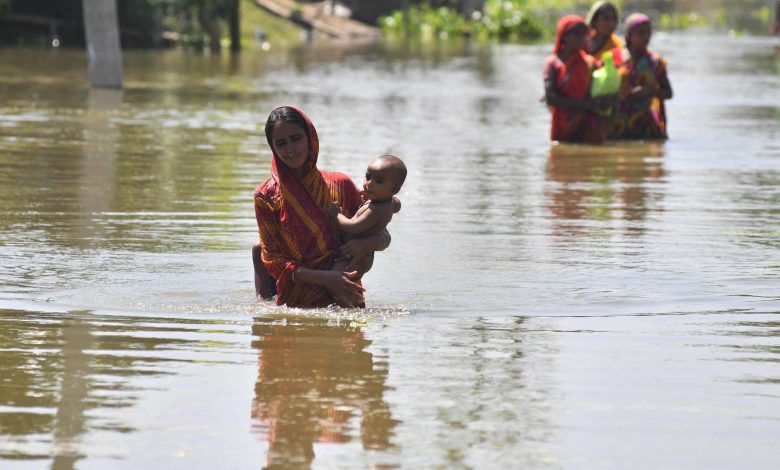
Climate change has been one of the greatest threats posed to humanity on earth. The side effects of climate change may include extremely higher temperatures across different parts of the globe, drought, irregular rainfall pattern, melting of ice, rise in sea level and many others. However, the effect of climate change spans way beyond that. Targeting the danger climate change poses to humanity and the social environment, research has it that climate change intensively has a role to play in gender inequality. In fact, research indicates a strong connection between climate change and the deepening of gender disparities.
Related Articles
10 Mysterious Islands You Never Knew Exist
The State of Climate Change: Understanding, Impact, and Urgent Measures
1. Exposure
1.1 Differential Exposure to Climate Risks
Climate change affects different populations unevenly, with marginalized groups often bearing the brunt of its impacts. Women, particularly those in developing countries, are disproportionately affected by climate-related events such as floods, droughts, and storms. This is due to several factors:
- Socioeconomic Status: Women in many regions have lower socioeconomic status compared to men, which limits their access to resources that could help mitigate climate risks. This includes access to financial resources, insurance, and education.
- Location and Living Conditions: Women are more likely to live in precarious conditions and informal settlements that are more vulnerable to climate impacts. These areas often lack infrastructure and resilience measures.
- Agricultural Dependence: In many parts of the world, women are primarily responsible for agricultural activities. Climate change can severely impact crop yields and food security, disproportionately affecting women’s livelihoods and food availability.
1.2 Health Impacts
Climate change has direct and indirect effects on health, and these impacts are not gender-neutral. Women and girls are particularly vulnerable to the health risks associated with climate change:
- Reproductive Health: Extreme weather events can disrupt access to healthcare facilities, which affects maternal and reproductive health. Additionally, heatwaves and changing disease patterns can disproportionately affect pregnant women.
- Water and Sanitation: Climate change can exacerbate water scarcity and contaminate water sources, leading to health issues such as diarrhea and dehydration. Women and girls, who often bear the burden of water collection, face increased health risks and time poverty.
- Increased Disease Burden: Climate change can increase the incidence of vector-borne diseases like malaria and dengue. Women, particularly in low-income regions, may face higher exposure due to their roles in caring for the sick and managing households.
2. Vulnerability Due To Gender
2.1 Social and Economic Inequality
Gender inequality often means women have less access to resources, decision-making power, and information, making them more vulnerable to climate change. Key aspects include:
- Access to Resources: Women often have limited access to financial resources, property rights, and credit. This hampers their ability to invest in adaptive measures or recovery efforts after climate-induced disasters.
- Decision-Making Power: Women frequently have less influence in community and household decision-making processes. This can limit their ability to participate in or influence climate adaptation and mitigation strategies.
- Education and Information: Lower levels of education and limited access to information reduce women’s capacity to understand and respond to climate risks. Education can empower women to participate in climate action and adapt to changes.
2.2 Labor and Economic Disparities
Women’s economic roles and labor conditions also intersect with climate change impacts:
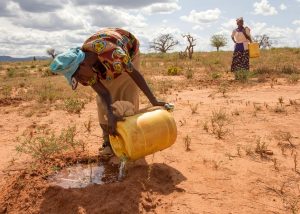
- Informal Sector Work: Women are often employed in informal sectors that lack job security and benefits. These sectors are more vulnerable to climate-related disruptions, impacting women’s income stability. For example, in many parts of Africa, women are responsible for most of the farming. If a drought hits, they lose their crops and income, and have limited alternative options since they lack formal contracts or social safety nets.
- Unpaid Care Work: Women disproportionately shoulder unpaid care work, such as looking after children and elderly family members. Climate change can increase the demand for this care work, particularly in the aftermath of extreme weather events.
3. Gendered Responses to Climate Change
3.1 Adaptive Capacity
Women’s capacity to adapt to climate change is influenced by their social roles and access to resources:
- Community Involvement: In many communities, women are key to managing household resources and making decisions about food, water, and energy. Their involvement in climate adaptation strategies can enhance community resilience. For example, involving women in designing and implementing water management projects, like rainwater harvesting systems or drought-resistant irrigation, ensures the solutions are effective and sustainable. In rural India, women have been instrumental in reviving traditional water harvesting systems called “kunds.” Their knowledge of local water patterns and needs ensured the systems were built in the right locations and were easy for the community to maintain. Also, women often have strong social networks within their communities. Leveraging these networks for early warning systems, evacuation planning, and post-disaster relief can significantly improve a community’s ability to prepare for and respond to climate-related disasters. For example, in Bangladesh, women’s groups have been trained to disseminate early warnings about cyclones and organize evacuation efforts. This has been credited with significantly reducing the number of casualties during severe weather events.
- Knowledge and Practices: Traditional knowledge held by women about local environments and sustainable practices can be invaluable for climate adaptation. Integrating this knowledge into formal climate strategies can improve effectiveness. For instance, in many parts of Southeast Asia, women possess extensive knowledge about mangrove ecosystems, including their role in protecting coastlines from storms and erosion. This knowledge is being used in mangrove restoration projects to enhance coastal resilience and mitigate the impacts of sea-level rise and extreme weather events.
3.2 Empowerment and Agency
Climate change presents opportunities for advancing gender equality:
- Leadership Roles: Addressing climate change can create spaces for women to take on leadership roles in both local and global contexts. Empowering women in decision-making processes can lead to more inclusive and effective climate solutions.
- Policy and Advocacy: Women’s advocacy for climate justice can drive policy changes that address gender disparities and promote gender-sensitive approaches to climate action. In several countries in Latin America, women’s movements have played a key role in advocating for land reforms that recognize women’s land rights. This has resulted in increased land ownership for women, which has improved their ability to adapt to climate change and participate in sustainable agriculture.
4. Intersectionality and Climate Change
Understanding the impact of climate change on gender inequality requires an intersectional approach, considering how various factors—such as race, class, and disability—intersect with gender:
- Indigenous and Marginalized Communities: Indigenous women and those from marginalized communities often face compounded vulnerabilities due to their unique socio-economic and cultural contexts. Climate change impacts can further entrench existing inequalities.
- Disability and Gender: Women with disabilities may experience heightened vulnerability to climate change due to barriers in accessing resources, information, and support systems.
5. Case Studies and Examples
- Bangladesh
In Bangladesh, a country highly vulnerable to climate change, women face significant challenges related to flooding and cyclones. Women in rural areas are often responsible for collecting water and managing household resources. During extreme weather events, these responsibilities become more burdensome, affecting their health and well-being.
- Sub-Saharan Africa
In Sub-Saharan Africa, women’s roles in agriculture make them particularly vulnerable to the impacts of droughts and changing weather patterns. Initiatives that involve women in climate adaptation, such as community-based agriculture projects, have shown promise in improving resilience and food security.
- Pacific Islands
In the Pacific Islands, rising sea levels threaten the homes and livelihoods of coastal communities. Women, who often play crucial roles in managing household resources and responding to disasters, face increased challenges. Efforts to involve women in disaster preparedness and climate resilience planning have demonstrated improved outcomes for both families and communities.
6. Policy Recommendations
To address the intersection of climate change and gender inequality, several policy recommendations can be considered:
- Integrate Gender Perspectives: Climate policies should integrate gender perspectives, ensuring that women’s specific needs and contributions are recognized and addressed.
- Enhance Access to Resources: Improve women’s access to financial resources, education, and technology to enhance their adaptive capacity and resilience.
- Promote Inclusive Decision-Making: Encourage women’s participation in climate decision-making processes at all levels, from local communities to international forums.
- Support Gender-Sensitive Research: Invest in research that explores the gendered impacts of climate change and the effectiveness of gender-sensitive adaptation measures.
- Strengthen Social Safety Nets: Develop social safety nets that support women and marginalized groups during and after climate-related disasters.
Conclusion
Climate change exacerbates existing gender disparities, impacting women disproportionately due to their socioeconomic status, roles, and access to resources. Conversely, entrenched gender inequalities limit women’s ability to respond to and recover from climate impacts effectively.


