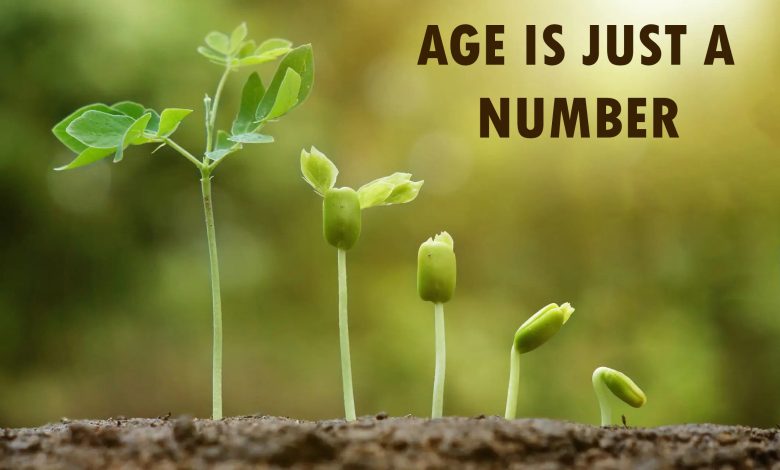
Maturity and growth are fundamental concepts often intertwined yet distinct in their meanings and implications. Both are essential to understanding human development, personal evolution, and various other aspects of life.
Understanding Growth
Growth is a term frequently associated with physical, emotional, or intellectual development. It is a measurable and observable process that signifies progress or an increase in capability or size. Growth can be both quantitative and qualitative, and it often follows a relatively straightforward trajectory.
- Physical Growth: In humans, physical growth refers to the increase in size and mass of the body. This process is most evident in childhood and adolescence when the body undergoes significant changes. It includes the development of organs, height, weight, and muscle mass. Physical growth is typically tracked using metrics like height and weight charts, and it usually follows a predictable pattern influenced by genetics and nutrition.
- Intellectual Growth: Intellectual or cognitive growth involves the expansion of knowledge, skills, and cognitive abilities. This can include learning new concepts, improving problem-solving skills, and expanding one’s capacity for complex thinking. Intellectual growth is often associated with educational achievements and can be measured through academic performance and the acquisition of new skills.
- Emotional Growth: Emotional growth involves developing a deeper understanding of one’s feelings and learning to manage them effectively. It includes gaining self-awareness, empathy, and emotional regulation. While emotional growth can be harder to quantify, it is reflected in how individuals handle stress, relate to others, and adapt to life’s challenges.
Growth is generally a continuous and linear process, often driven by external factors such as education, environment, and biological changes. It can be measured through tangible milestones, such as reaching a certain height or achieving a specific academic grade. Growth focuses on expansion and the acquisition of new abilities or attributes.
Understanding Maturity
Maturity, on the other hand, is a more complex and multifaceted concept. It encompasses not just the accumulation of experience or knowledge but also the development of a certain quality of being or character. Maturity reflects the depth of understanding and the ability to apply learned experiences in a balanced and thoughtful manner.
- Emotional Maturity: Emotional maturity involves the ability to manage and understand one’s emotions and those of others. It includes traits such as empathy, patience, and resilience. An emotionally mature person can handle relationships with sensitivity and balance, make thoughtful decisions, and respond to situations with a calm and measured approach. Emotional maturity is not simply about having more life experience but about how one integrates and applies that experience.
- Social Maturity: Social maturity relates to how individuals interact with others in various social contexts. It involves understanding social norms, demonstrating respect, and effectively managing interpersonal relationships. A socially mature person navigates social complexities with grace and wisdom, balancing assertiveness with empathy and understanding.
- Moral Maturity: Moral maturity involves the development of a well-defined set of ethical principles and the ability to apply them consistently. It includes understanding and respecting differing viewpoints, making decisions based on a well-considered moral framework, and showing integrity and responsibility in one’s actions. Moral maturity reflects a deeper understanding of societal values and personal ethics.
Maturity is not necessarily a linear process and does not always correlate directly with age or experience. It is more about the integration of knowledge and experiences into a coherent worldview and the ability to act in a considered and responsible manner.
Differentiating Maturity From Growth
While growth and maturity are interconnected, they are distinct in several key ways:
- Scope and Focus: Growth is often quantitative and focused on measurable changes, such as physical size or cognitive abilities. It is about acquiring new skills or expanding existing ones. Maturity, however, is qualitative and focuses on the depth of understanding and the ability to apply knowledge and experiences in a balanced way. It is about how one processes and uses growth to navigate life’s complexities.
- Measurement: Growth can be measured through objective metrics such as height, weight, test scores, or the acquisition of new skills. Maturity, however, is more subjective and often assessed through observations of behavior, decision-making, and interpersonal interactions. It involves a holistic view of an individual’s character and how they handle various aspects of life.
- Nature of Change: Growth often involves an increase or enhancement of capabilities or attributes. For example, learning new skills or growing taller represents a direct expansion. Maturity, on the other hand, involves the refinement and application of these capabilities in a thoughtful and responsible manner. It is about integrating growth into a cohesive and balanced approach to life.
- Influencing Factors: Growth is influenced by biological, educational, and environmental factors. For instance, nutrition affects physical growth, and education impacts intellectual growth. Maturity, however, is shaped by personal experiences, reflections, and the ability to synthesize and apply these experiences. It involves a more internalized process of personal development.
The Interplay Between Growth and Maturity
Growth and maturity often complement each other. For instance, intellectual growth can lead to greater emotional and social maturity as individuals gain more knowledge and experience. Similarly, emotional maturity can enhance one’s ability to leverage intellectual and physical growth in a more effective manner.
However, growth does not automatically lead to maturity. An individual may experience significant growth in various areas without necessarily demonstrating corresponding maturity. For example, a person might acquire extensive knowledge (intellectual growth) but may not use that knowledge in a wise or balanced way (maturity). Conversely, maturity often involves applying growth in a reflective and purposeful manner, integrating new skills and experiences into a well-rounded and thoughtful approach to life.
Continue Reading
6 Manipulative Strategies Of A Narcissist
Life In Accra: I’m Just 22 But Life Has Made Me Tougher, This Is My Story
In summary, growth and maturity, while interconnected, represent different dimensions of human development. Growth is about the measurable increase or enhancement of capabilities, whether physical, intellectual, or emotional. Maturity, on the other hand, is about the depth and quality of one’s understanding and the ability to apply knowledge and experiences in a balanced and responsible manner.