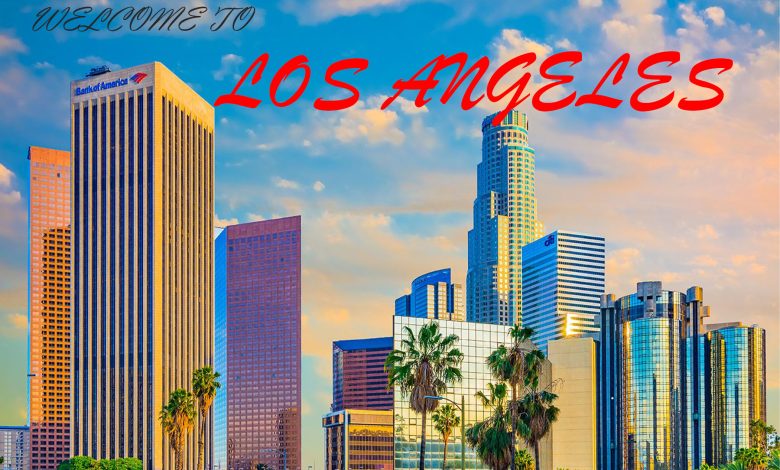
Los Angeles, often referred to by its initials L.A., stands as California’s most populous city. This expansive Southern California metropolis serves as the vibrant heart of the United States’ film and television industry. Close to its famed Hollywood sign, major studios like Paramount Pictures, Universal, and Warner Brothers provide immersive behind-the-scenes experiences. Along Hollywood Boulevard, the TCL Chinese Theatre showcases celebrity handprints and footprints, the Walk of Fame pays tribute to countless luminaries, and vendors offer maps guiding visitors to the residences of the stars.
But beneath this modern veneer lies a history as rich and colorful as a classic movie set. And it all begins with a name, a rather lengthy and evocative one at that: “El Pueblo de Nuestra Señora la Reina de los Ángeles de Porciúncula.” Let’s delve into the story behind this grand title, unpacking its meaning and tracing its significance in the birth and development of the City of Angels.
Spanish Colonization & The Establishment Of Missions
To truly appreciate the weight of this name, we need to journey back to the late 18th century, a time when California was a distant frontier of the Spanish Empire. Gaspar de Portolá’s expedition in 1769 had laid the groundwork for Spanish colonization, and the establishment of missions and presidios followed. The idea of creating a civilian settlement in the area that would become Los Angeles emerged as a strategic move to further solidify Spanish control and provide agricultural support for the growing mission system.
The man tasked with selecting the site and overseeing the establishment of this new pueblo was Governor Felipe de Neve. In 1781, he chose a location near the Los Angeles River, known then as El Río de Nuestra Señora la Reina de los Ángeles (the River of Our Lady the Queen of the Angels). This fertile land, with its reliable water source, held promise for a thriving community.
And so, on September 4, 1781, a small group of eleven families, known as Los Pobladores (the settlers), arrived at the chosen site. These pioneers, representing a diverse mix of Spanish, African, and indigenous ancestry, marked the official founding of the pueblo. It was Governor de Neve who bestowed upon this nascent settlement its full, majestic name: “El Pueblo de Nuestra Señora la Reina de los Ángeles de Porciúncula.”
Let’s break down this name, each part carrying its own layer of meaning and historical context.
“El Pueblo”: This is the most straightforward part, simply translating to “the town” or “the village.” It signifies the intention from the outset to establish a civilian community, distinct from the military presidios and religious missions that characterized early Spanish California.
“de Nuestra Señora”: This translates to “of Our Lady.” In the Spanish Catholic tradition, “Nuestra Señora” is a title for the Virgin Mary, the mother of Jesus Christ. This element of the name reflects the deep religious faith of the Spanish colonizers and their desire to place the new settlement under the patronage and protection of the Virgin Mary. The invocation of the Virgin Mary was a common practice in the naming of Spanish settlements, underscoring the strong influence of the Catholic Church in the colonial enterprise.
“la Reina de los Ángeles”: This translates to “the Queen of the Angels.” This is a specific invocation of the Virgin Mary, emphasizing her role as the queen of heaven and the angelic hosts. The imagery is powerful, suggesting a celestial protector watching over the fledgling community. This particular title of Mary has roots in various Catholic traditions and Marian apparitions.
“de Porciúncula”: This final part adds a layer of unique historical and religious significance. Porciúncula (meaning “little portion of land”) refers to a small chapel near Assisi, Italy, which was deeply beloved by St. Francis of Assisi, the founder of the Franciscan order. It was here that St. Francis experienced his calling and where he later died. The Franciscans played a crucial role in the colonization of California, establishing and administering the missions.
It is believed that Governor de Neve, a devout Catholic, chose to include “de Porciúncula” in the name as a tribute to the Franciscan order and their spiritual influence in the region. It also connected the new pueblo to a site of profound spiritual significance within the Catholic world.
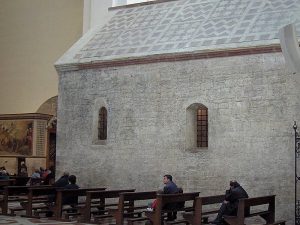
Therefore, when we piece it all together, “El Pueblo de Nuestra Señora la Reina de los Ángeles de Porciúncula” translates to “The Town of Our Lady the Queen of the Angels of Porciúncula.” It is a name that speaks volumes about the aspirations and worldview of its founders. It reflects their religious devotion, their vision for a civilian settlement, and their connection to both the Spanish crown and the Catholic faith, particularly the Franciscan order.
Over time, as the pueblo grew and evolved, the lengthy name proved cumbersome for everyday use. It gradually shortened to “Los Ángeles,” which simply means “The Angels.” This abbreviation retained the core religious element of the original name while becoming more practical for a burgeoning community.
Despite the truncation, the full name serves as a powerful reminder of Los Angeles’ origins. It whispers tales of Spanish colonial ambitions, the resilience of the early settlers, and the profound influence of the Catholic Church in shaping the region. It connects the modern metropolis to its humble beginnings as a small pueblo nestled by a river, a place envisioned under the watchful gaze of the Queen of the Angels and with the spiritual blessing of Porciúncula.
Other Facts To Explore
The Origin Of Google, The Most Popular Search Engine